Jaw & TMJ Conditions2026-01-19T11:41:29+00:00

Jaw and TMJ Conditions

Jaw and temporomandibular joint conditions affect how the jaw moves and functions. For some people, symptoms are mild and short term. For others, ongoing jaw pain, clicking, stiffness, or headaches can interfere with eating, speaking, and daily life. Specialist assessment can help identify the cause and guide effective treatment.
Common jaw and TMJ symptoms

Jaw and TMJ conditions can present in different ways and may affect both the jaw and surrounding areas. Common symptoms include:

  • Jaw pain or tenderness
  • Clicking, popping, or grinding noises when opening or closing the mouth
  • Difficulty opening the mouth fully
  • Jaw locking or stiffness
  • Facial pain or discomfort
  • Headaches or ear-related symptoms
  • Pain when chewing or yawning
  • Bite changes or uneven tooth contact

Seeking assessment early can help prevent symptoms from worsening and identify appropriate treatment options.

A private consultation can help you understand what is causing your symptoms and what can be done to manage them.

Types of jaw and TMJ conditions

Jaw and TMJ problems can arise from a range of causes, and symptoms can overlap. Specialist assessment is important to determine the underlying issue. Conditions commonly assessed include:

  • Temporomandibular joint disorders
  • Muscle-related jaw pain
  • Jaw joint inflammation or degeneration
  • Bite-related functional problems
  • Jaw strain related to clenching or grinding
  • Pain following dental treatment, trauma, or surgery

How do we manage jaw and TMJ conditions?

Speak to us about your symptoms

Contact our team to discuss your concerns and explain how your jaw symptoms are affecting you.

Receive a specialist assessment

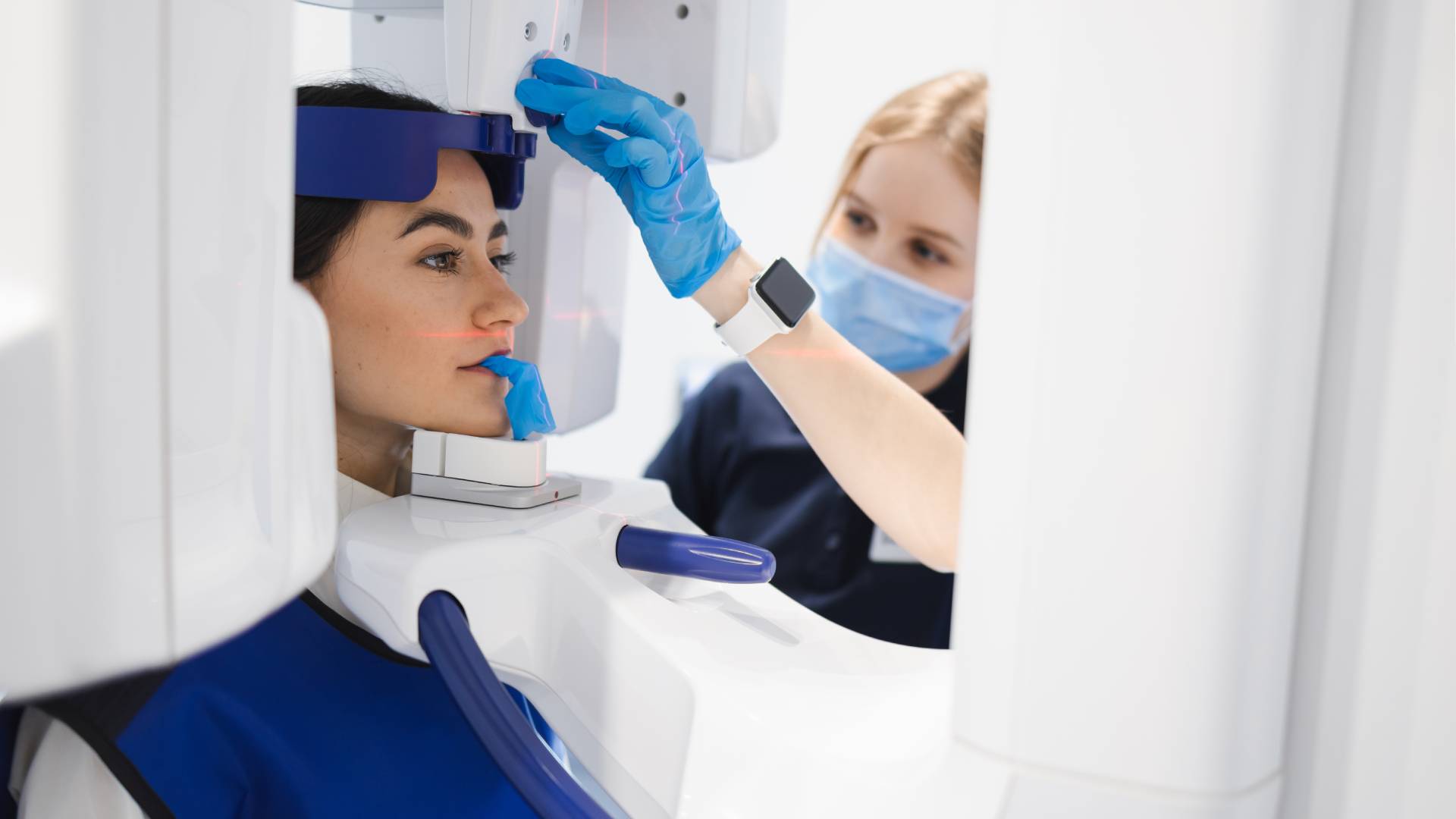
An experienced clinician will assess jaw movement, function, bite, and relevant medical or dental history.

Start a tailored management plan

Depending on your diagnosis, treatment may include monitoring, conservative management, or specialist intervention where clinically appropriate.

FAQs

Is treatment provided privately?2026-01-12T11:00:35+00:00

Yes. All consultations and treatments are provided on a private basis, allowing timely access to specialist care.

What happens at the consultation?2026-01-12T11:00:26+00:00

Your clinician will assess your jaw movement, symptoms, bite, and relevant history. Further investigations may be recommended if needed.

Do I need a referral?2026-01-12T11:00:16+00:00

No referral is required. You can self-refer for a specialist jaw and TMJ assessment. We also accept referrals from dentists, GPs, and other healthcare professionals.

Do jaw problems always need surgery?2026-01-12T11:00:05+00:00

No. Most jaw and TMJ conditions are managed without surgery. Specialist assessment helps determine the most appropriate treatment based on your symptoms and diagnosis.

What are TMJ disorders?2026-01-12T10:59:54+00:00

TMJ disorders affect the temporomandibular joints, which connect the jaw to the skull. They can cause pain, stiffness, clicking, or difficulty with jaw movement.

Book a specialist consultation

Taking the first step towards specialist care can make a real difference. Speak to our team to understand your options.

Go to Top