
Jaw and TMJ Conditions
Jaw and temporomandibular joint conditions affect how the jaw moves and functions. For some people, symptoms are mild and short term. For others, ongoing jaw pain, clicking, stiffness, or headaches can interfere with eating, speaking, and daily life. Specialist assessment can help identify the cause and guide effective treatment.
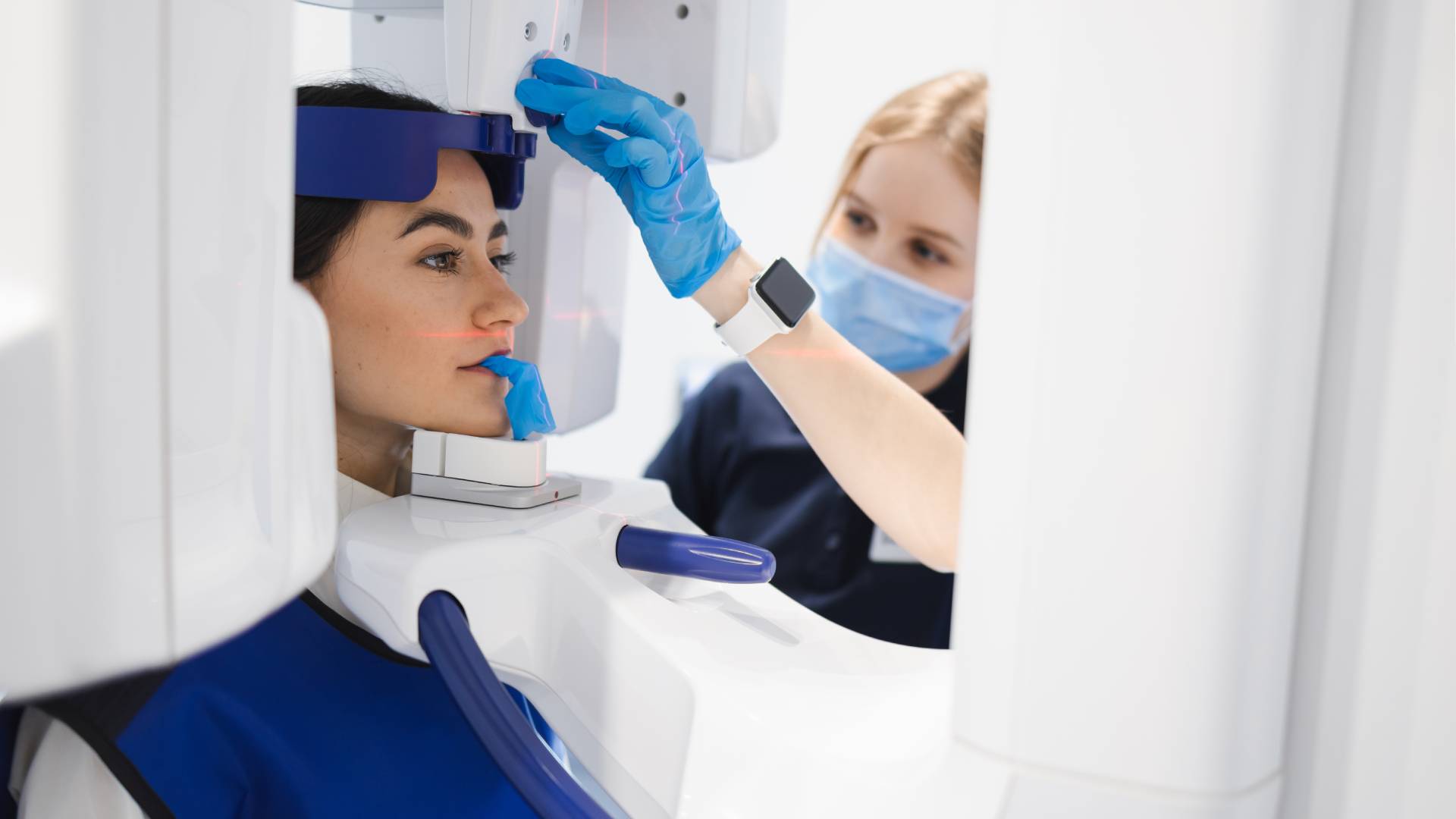


How do we manage jaw and TMJ conditions?
FAQs
Yes. All consultations and treatments are provided on a private basis, allowing timely access to specialist care.
Your clinician will assess your jaw movement, symptoms, bite, and relevant history. Further investigations may be recommended if needed.
No referral is required. You can self-refer for a specialist jaw and TMJ assessment. We also accept referrals from dentists, GPs, and other healthcare professionals.
No. Most jaw and TMJ conditions are managed without surgery. Specialist assessment helps determine the most appropriate treatment based on your symptoms and diagnosis.
TMJ disorders affect the temporomandibular joints, which connect the jaw to the skull. They can cause pain, stiffness, clicking, or difficulty with jaw movement.